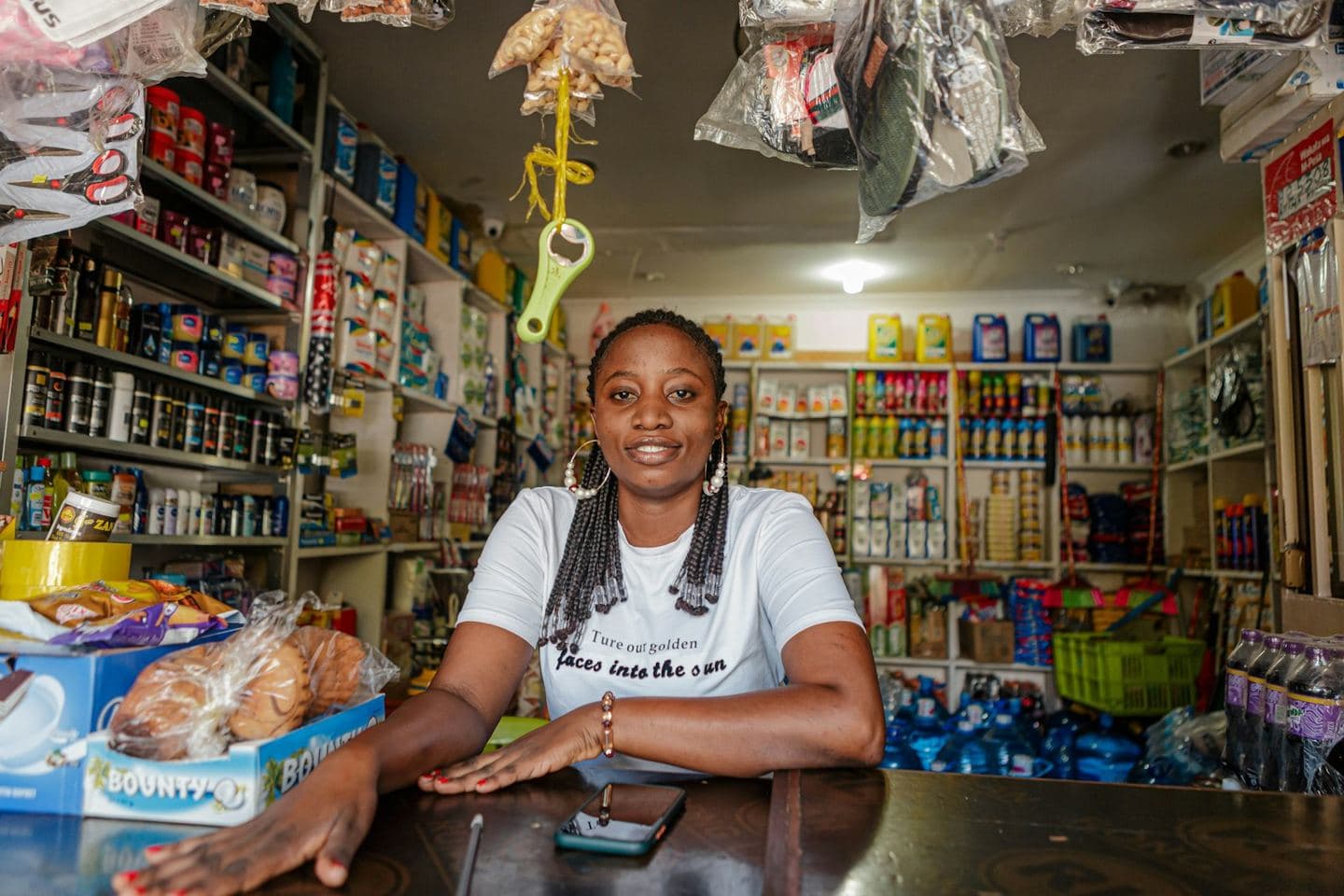
In April 2026, a Nairobi-rooted AI startup called Lua closed a $5.8 million seed round. That is not a headline most small business owners in Kenya would think applies to them. It does.
Lua builds AI agents that handle multi-step workflows like loan processing, insurance claims, and customer onboarding for lenders and enterprises, operating over WhatsApp, Slack, and email. The round was led by pan-African growth fund Norrsken22, with Y Combinator, 20VC, Flourish Ventures, and others joining in. Since launching in October 2025, the company says revenue has grown close to 30% week on week, and it crossed $1 million in annual recurring revenue within its first three months.
That is not a random data point. It is confirmation that serious investors now believe AI agents built for African businesses are a real category, not a novelty. But the more interesting story is not the venture money. It is what is happening several rungs below it, in the exact SME categories that never make funding headlines.
The freelancer economy is already selling this, one small business at a time
While Lua was closing its round, ordinary people were quietly building the same category of product for much smaller clients. On Reddit, an 18 year old posted asking how to find their first client for "basic ai automation services like WhatsApp chatbots, automated follow-ups, appointment booking agents" for small businesses. A freelance developer described building "websites, mobile apps, web systems, and AI automation tools for small businesses and startups" who want to automate bookings, add AI chatbots for support, and stop losing manual hours to repetitive messages.
One operator went further and shared exact numbers: a solo AI customer service side hustle now earning close to $4,000 a month, built entirely around local businesses. The client list reads like a directory of Kenyan SME categories: beauty salons, med spas, dental clinics, real estate agencies, home repair contractors, event businesses. Their own words: "I didn't set out to niche this way. It happened because these businesses kept referring each other."
That referral pattern is the same one HustleFlow sees in Nairobi. A salon owner who gets faster replies tells another salon owner. Nobody needed a seed round to notice the problem was real.
What the industry numbers actually say
Separate from any one company's story, the broader research on AI customer service adoption points in the same direction. Industry surveys now put generative AI usage among small businesses at 58%, up from 40% just two years earlier. Cost-per-interaction studies report AI-handled queries costing a fraction of a human-handled one, with most small teams reporting payback within one to three months once the automation is actually configured for their business.
The catch in that last sentence is doing a lot of work. A generic chatbot bolted onto a website answers FAQs. An AI agent that knows your actual catalogue, your actual prices, and follows up automatically when a lead goes quiet is a different tool entirely. The Reddit thread asking "Which AI Customer Service Platforms Are Actually Solving Real Customer Problems in 2026?" captures the shift well: the question five years ago was whether a bot could answer at all. The question now is whether it can actually resolve something.
How this actually fits together for a small business
flowchart TD
  A["VC-scale AI agent platforms"] --> B["Built for banks, insurers, enterprise workflows"]
  C["SME-focused AI agents"] --> D["Built for one shop, salon, or agency"]
  B --> E["Loan processing, claims, onboarding at scale"]
  D --> F["WhatsApp + website replies, lead capture, follow-up"]
  E -.->|Same underlying category| F
  F --> G["Small business owner never touches code or a VC round"]
What this means if you run an SME in Kenya
You do not need Lua's balance sheet or its enterprise contracts to benefit from the same shift. The category that just attracted serious institutional money, AI agents that hold a real conversation and take real action, is exactly the category HustleFlow builds for single Kenyan businesses: replying on WhatsApp and your website, capturing every lead's details, and following up automatically so nobody falls through the cracks. See it answer real questions from a real catalogue in the live demos.
The freelancer earning $4,000 a month proves the demand exists at the ground level, one small business at a time, well before any of this reaches a funding announcement. If you own a salon, a shop, an agency, or a small practice in Kenya, that demand is already about your business, whether or not you have noticed the trend yet.
Quick answers
Is the AI agent boom just a Silicon Valley or Nairobi tech story?
The funding is a Nairobi story, but the underlying shift, businesses expecting instant, useful replies instead of slow manual ones, is already showing up in ordinary WhatsApp inboxes across Kenya, funded or not.
Do I need to wait for AI tools built specifically for Kenya?
No. The tools already exist and are priced for a single SME, not an enterprise. The bigger risk is waiting while competitors in your own category start replying faster and following up automatically.
Curious what this looks like for your specific business? See HustleFlow in action or chat with us on WhatsApp.
Lua's $5.8M seed round, investor list and growth numbers from The Kenyan Wallstreet. Generative AI adoption figure (58%, up from 40% in 2024 and 23% in 2023) from the U.S. Chamber of Commerce's 2025 Empowering Small Business report. Reddit threads and freelancer earnings are individual posts, not verified figures. Last checked 28 September 2026.